Buyer checklist
How to build a useful cat litter sample evaluation plan
A practical method for comparing absorption, clumping, dust, tracking and transport stability under the same conditions.
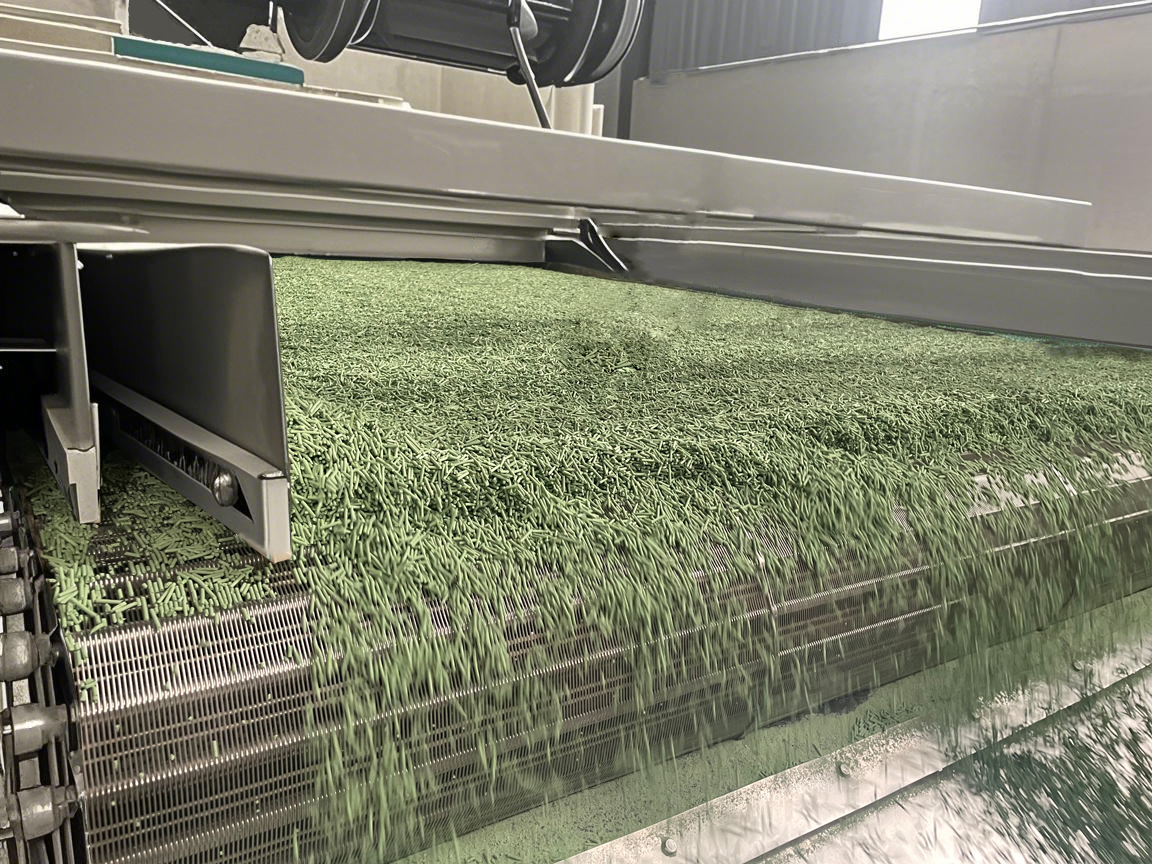
START WITH ONE TEST BRIEF
Define the litter depth, sample weight, liquid volume, waiting time, room conditions and tools before the first comparison. Supplier figures are only useful when the method and sample conditions are the same.
RECORD THE BASELINE
Photograph the unopened bag and product surface, then record net weight, moisture, particle-size distribution, bulk density, color, fragrance and visible powder. Keep a sealed reference sample from the approved lot.
MEASURE PERFORMANCE SEPARATELY
Absorption, clumping speed, wet clump weight, clump strength, scoop integrity, bottom adhesion, dust, tracking and odor reduction answer different questions. Use a separate score for each item instead of one general impression.
RETEST AFTER HANDLING
Simulate realistic carton movement or transport vibration, then repeat the dust, particle distribution and clump tests. Fine material can migrate during handling even when the product looked uniform at packing.
CREATE AN APPROVAL RECORD
Link the chosen result to the formula or product code, sample date, packaging structure, test method and signed approval. Commercial production should be checked against this written reference rather than memory or photographs alone.